Abstract
Background: Bystander training in Stop the Bleed (STB) and First Aid (FA) is strongly associated with improved survival from medical emergencies. To better equip the community with these survival tools a student-run EMT organization, at a large public university in California, sought to expand the reach and quality of its STB/FA instruction program. Case Report: This project aimed to increase the number of community STB/FA classes delivered per semester, expand instructor participation, ensure consistent internal quality oversight, and strengthen community partnerships. Between Fall 2024 and Fall 2025, the organization restructured its public health leadership by doubling the number of Deputy Directors of Public Health and introducing a new Public Health Officer role focused on logistics, quality control, mentoring, and partner outreach. After these interventions, semester STB/FA classes more than doubled from 14 to 30, while unique community partners expanded from 9 to 24 organizations; internal quality control oversight reached 100% of classes; trained instructors increased from 27.6% to 53.3% of members; and instructors teaching two or more classes per semester increased from 17.5% to 43.8%. Conclusion: Overall, under strategic organizational restructuring, it was observed that STB/FA instruction became a core function, enabled scalable growth, noticed improved internal quality assurance, and broadened community impact.
Introduction
The focus of this study is a student volunteer organization comprised of certified EMTs on the campus of a large public university whose membership has ranged between 125 and 150 active members since Fall of 2024. The student-run EMT organization serves three vital functions within the university campus and broader community: (1) provide medical coverage at several different events on campus, such as major sporting events, concerts, and graduation ceremonies, (2) train members in disaster preparedness in order to provide volunteer emergency medical care in the event of a disaster, and (3) teach CPR, Stop the Bleed (STB), and First Aid (FA) classes to the broader community.
This third function is how the student-run EMT organization equips the community with the tools needed to help more patients survive in case of medical emergencies. According to the CDC, heart disease and cardiac arrest and trauma associated with accidents and unintentional injuries remain two of the three leading causes of death in the United States.1 The AHA have noted bystander CPR as a key factor influencing survival in out-of-hospital cardiac arrest,2 and Song et al (2018)’s meta-analysis of 16 studies found that bystander CPR can approximately double the odds of survival in out-of-hospital cardiac arrest (odds ratio 1.95; 95% CI 1.66-2.30).3 According to national data from Denmark, bystander CPR also lowered the 1-year risk of brain damage after a cardiac arrest.4 Khan et al (2022) found that training bystanders improved the quality of CPR that bystanders were able to provide, even months after training.5 Furthermore, Nofzinger et al (2019) and Khan et al (2022) have found that bystanders were significantly more willing to attempt to help in cases of cardiac arrest after training.5, 6
With regard to STB classes, a systematic review and meta-analysis of 36 publications by Tang et al (2023) found that stop the bleed classes improved students’ ability and willingness to intervene in cases of life-threatening hemorrhage.7 Consunji et al (2024) conducted a systematic review of several studies that taught STB classes to laypersons and concluded that those receiving STB training experienced significant improvements in willingness, confidence, comfort, and likelihood to respond to a bleeding victim.8 The study ultimately concluded that STB classes have a positive impact on preventing deaths occurring from traumatic exsanguination.
With the literature providing robust evidence that better bystander preparedness saves lives, student-run EMT organizations nationwide in the United States have begun to prioritize delivering more STB/FA classes. However, growth of such classes can oftentimes be limited by structural frictions and administrative barriers in the hierarchy of the organization. Thus, the contribution of this case report is to demonstrate how deliberate organizational restructuring can successfully transform STB/FA class instruction into a core function of a student-run EMT organization, and ultimately enable scalable growth, improved internal quality assurance, and facilitate broader community engagement and impact.
Case Report
STB/FA Class Instruction Performance Goals
In order to better equip community bystanders with lifesaving first responder techniques, the student-run EMT organization undertook this project to expand the volume and reach of volunteer community teaching opportunities. Specifically, the objective of this project was to increase the number of STB/FA classes delivered to community partners each semester, as well as to increase the number of member instructors that are actively involved in delivering such classes. The four quantifiable goals of this project, to be accomplished by the Fall 2025 semester, were the following:
Double the amount of STB/FA classes taught to the community from 14 per semester in Fall 2024 to at least 28 per semester.
Have one instructor that is trained in quality control oversight present at 100% of STB/FA classes taught.
Increase the percentage of club members that are trained to be STB/FA class instructors to at least 50%.
Double the percentage of STB/FA class instructors that teach two or more classes per semester from 17.5% in Fall 2024 to at least 35%.
Bottleneck in Public Health Operations
To accomplish the above project goals, significant restructuring of the executive positions in the public health arm of the organization was conducted to remove the bottleneck in internal instructor training, as well as to broaden the reach in establishing community partnerships. Historically student-run EMT organization had operated as a relatively flat organization, particularly in regard to the hierarchy surrounding member training. To hold STB/FA classes, it was essential to have a number of members with qualification to teach these classes. As shown in Figure 1, in Fall 2024 the one Deputy Director of Public Health was solely responsible for training and supervising all 40 STB/FA class instructors.
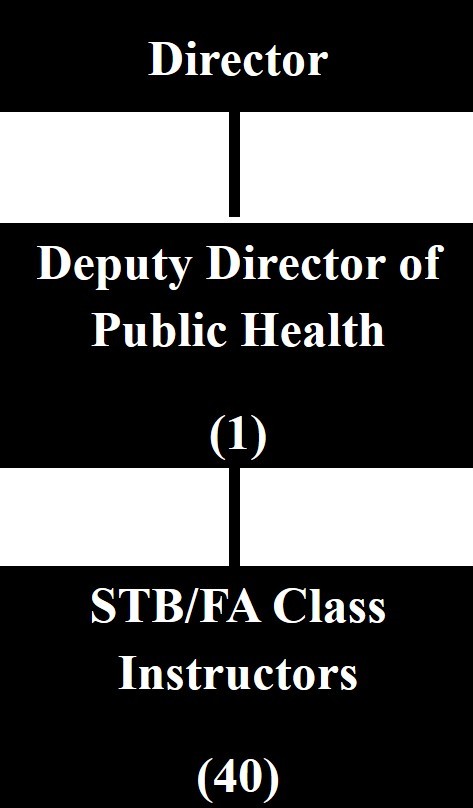
Figure 1. STB/FA Class Instructor Training Hierarchy, Fall 2024
Foss and Klein (2022) argue that flat organizations have weak structural performance monitoring systems and suffer from increased operational inefficiencies brought on from a lack of authority and accountability across operational units.9 The vague or distributed authority in flat organizations is often eventually replaced by informal power centers that develop organically and are not supported by formal authority channels, which means they may act as default bottlenecks in operations due to this lack of and/or conflict with formal authority. Therefore, Flock and Klein (2022) argue that more deliberate structural hierarchy is important in reducing coordination costs across organizational units and facilitating organizational growth while maintaining high quality production standards.
Beyond direct instructor training and supervising, the Deputy Director was also responsible for coordinating all relationships with community partner organizations that enrolled in the STB/FA classes. So, one club member was responsible for not only scaling the input (the number of trained class instructors) but also was responsible for scaling the demand for the output (the number of active community partner organizations) and for daily operations of the Public Health arm of the student-run EMT organization. Having the responsibility of handling both internal and external logistics puts pressure on the Deputy Director and can lead to inefficient scaling and coordination. It was observed that this logistical instability could lead to poor class quality assurance as quality control became dependent on a single individual’s capabilities (Flock and Klein 2022). It was difficult to give adequate attention to the matchmaking between class staffing details (based on instructor availability) and class scheduling logistics (based on partner availability).
Having only one Deputy Director also created a choke point in instructor training, which limited the percentage of members that could advance into such positions. In Fall 2024, out of the 145 active members, only 40 (27.6%) were trained to be STB/FA class instructors. This small cohort limited the number of classes that could be offered to community partners. In Fall 2024 only 14 such events were completed with 9 unique community partners.
One Deputy Director also did not have the bandwidth to spot check all the instructors in the act of delivering their class to ensure that best practices were adhered to. In Fall 2024, the Deputy Director was only able to attend four out of the 14 (28.6%) STB/FA classes delivered. This meant any post-class quality assurance efforts relied heavily on self-reporting from the class instructors themselves, as well as voluntary feedback from community partners instead of class observation by the Deputy Director.
Organizational Restructuring in Public Health Leadership
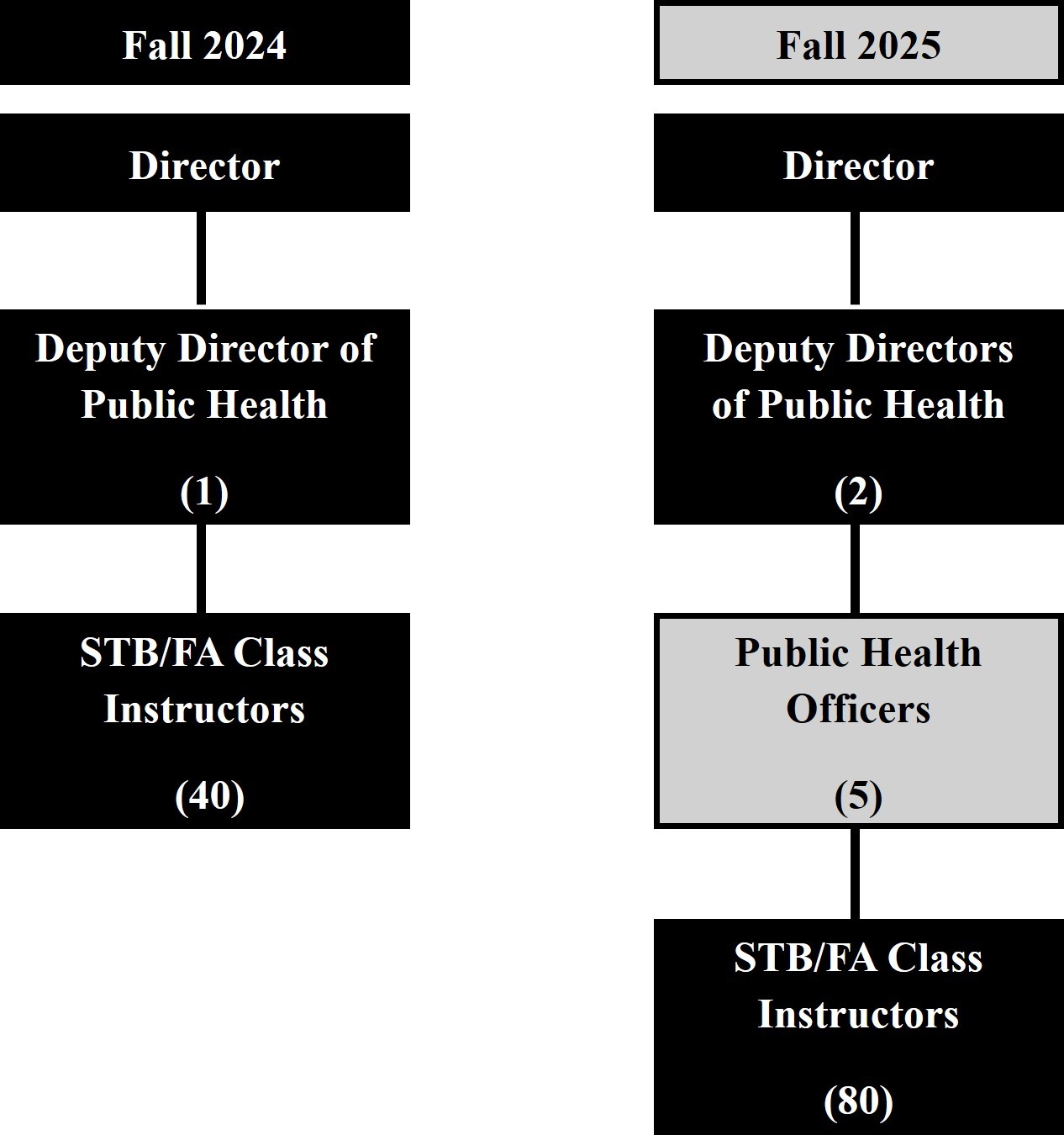 Figure 2. STB/FA Class Instructor Training Hierarchy Changes
As illustrated in Figure 2, by the Fall 2025 semester, two major changes were incorporated into the leadership hierarchy of STB/FA Class Instructor Training. First, the number of appointed Deputy Directors of Public Health doubled from one to two in the Spring 2025 semester. Second, a new executive position was created and put into practice at the beginning of the Fall 2025 semester and titled Public Health Officer. A timeline of all changes is presented in Figure 3.
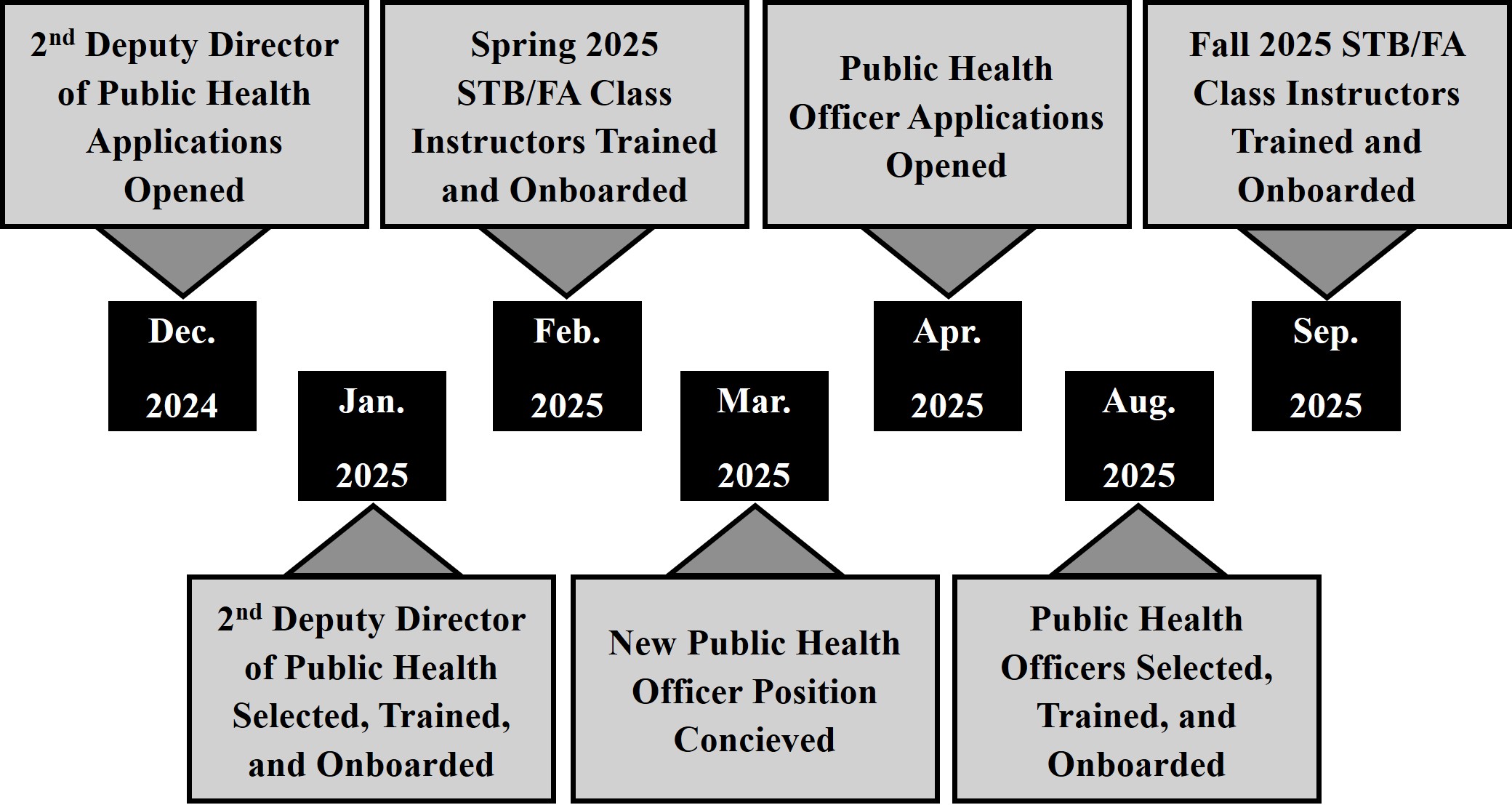 Figure 3. Timeline of STB/FA Class Instructor Training Hierarchy Changes
The two Deputy Directors of Public Health were still responsible for training all of the STB/FA class instructors. However, having two deputy directors meant that the class instructor training effort could be doubled: the number of trained instructors increased from 40 in Fall 2024, to 54 in Spring 2025, to 80 in Fall 2025. Also, the two deputy directors developed more relationships with community partner organizations, leading to higher demand for STB/FA classes.
The Public Health Officer position was seen to both improve internal operations (class logistics and quality oversight) as well as to expand the network of potential community partners. Public Health Officers are required to attend additional class management training provided by the two deputy directors. One trained Public Health Officer is then required to be staffed at each STB/FA class so that they can oversee logistics on the day of an assigned class and provide quality oversight at all classes to ensure instructors are performing at the expected high quality standard and report all observations to the deputy directors (Figure 5). Furthermore, the Public Health Officer is expected to provide mentoring to the class instructors, so that where improvement in instruction is needed, the instructor has an experienced peer resource to learn from.
Focusing on expanding community partners, Public Health Officers are expected to advertise STB/FA classes throughout their existing networks. Many STB/FA classes are taught to other student organizations on campus or to community organizations with ties to students. Ultimately, having two deputy directors and five Public Health Officers together acting as a community partner relations team was associated with the robust growth in the number of partners, which grew from 9 in Fall 2024 to 24 in Fall 2025 (Figure 4).
Performance Improvements from Organizational Restructuring
Doubling the Deputy Directors of Public Health to two and introducing five Public Health Officers was correlated with the accomplishment of all four project goals between Fall 2024 and Fall 2025.
Goal 1: Double the amount of STB/FA classes taught to the community from 14 per semester in Fall 2024 to at least 28 per semester.
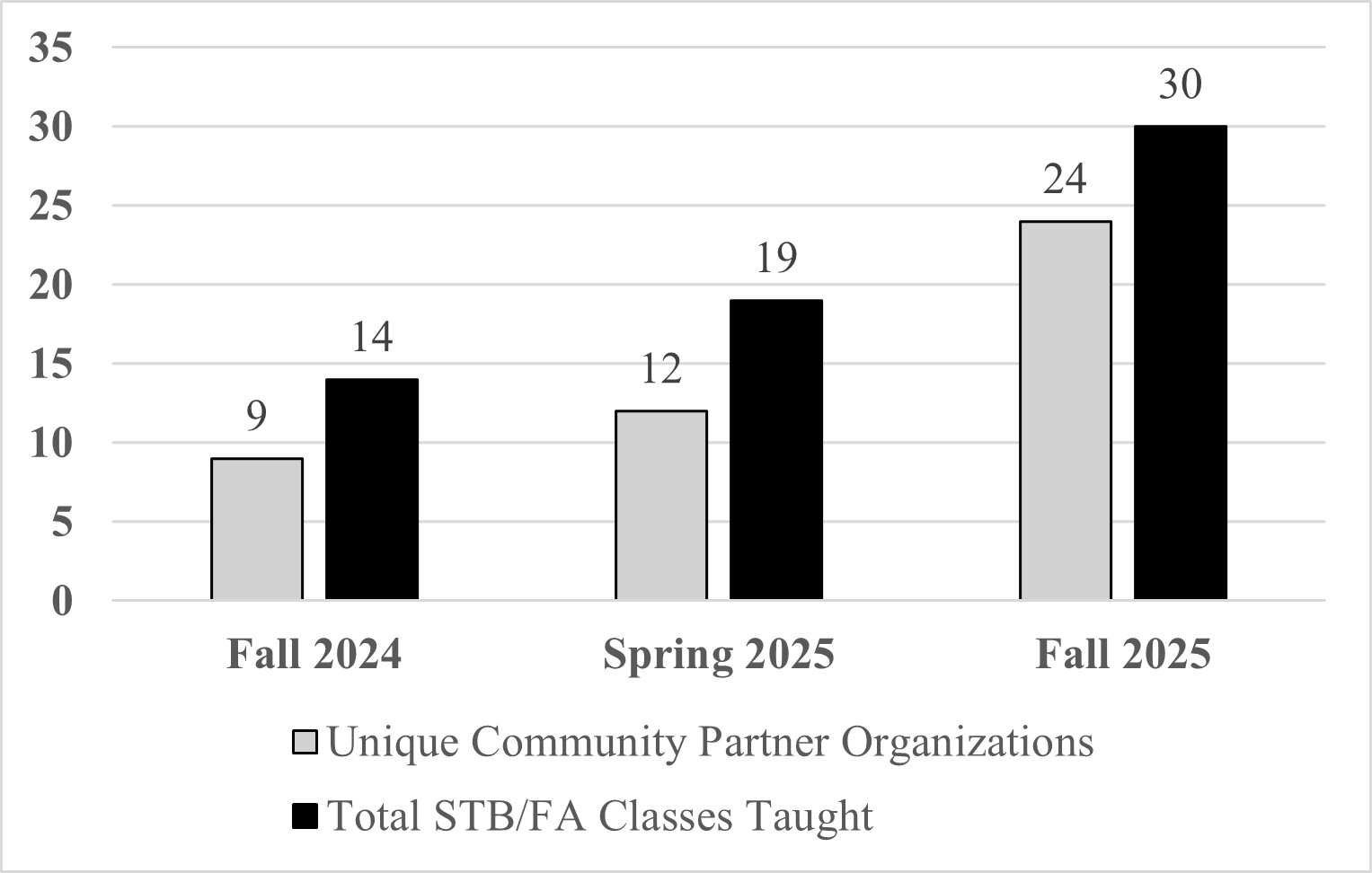 Figure 4. Unique Community Partner Organizations and Total STB/FA Classes Taught
It was noticed that having more members actively engaging with the broader community produced noticeable growth in the number of unique community partners. To be sustainable, this parallel growth required that as the number of community partners increased, instructional capacity scaled alongside them. If only the number of community partners had increased, the demand for additional STB/FA classes would not have been adequately met. Or, if only the number of trained instructors increased, the limited opportunities for class instruction would have prevented increases in the number of community members getting training. Ultimately, it was essential to simultaneously scale both the number of community partners and the number of trained instructors for sustainable growth.
Goal 2: Have one instructor that is trained in quality control
oversight present at 100% of STB/FA classes taught.
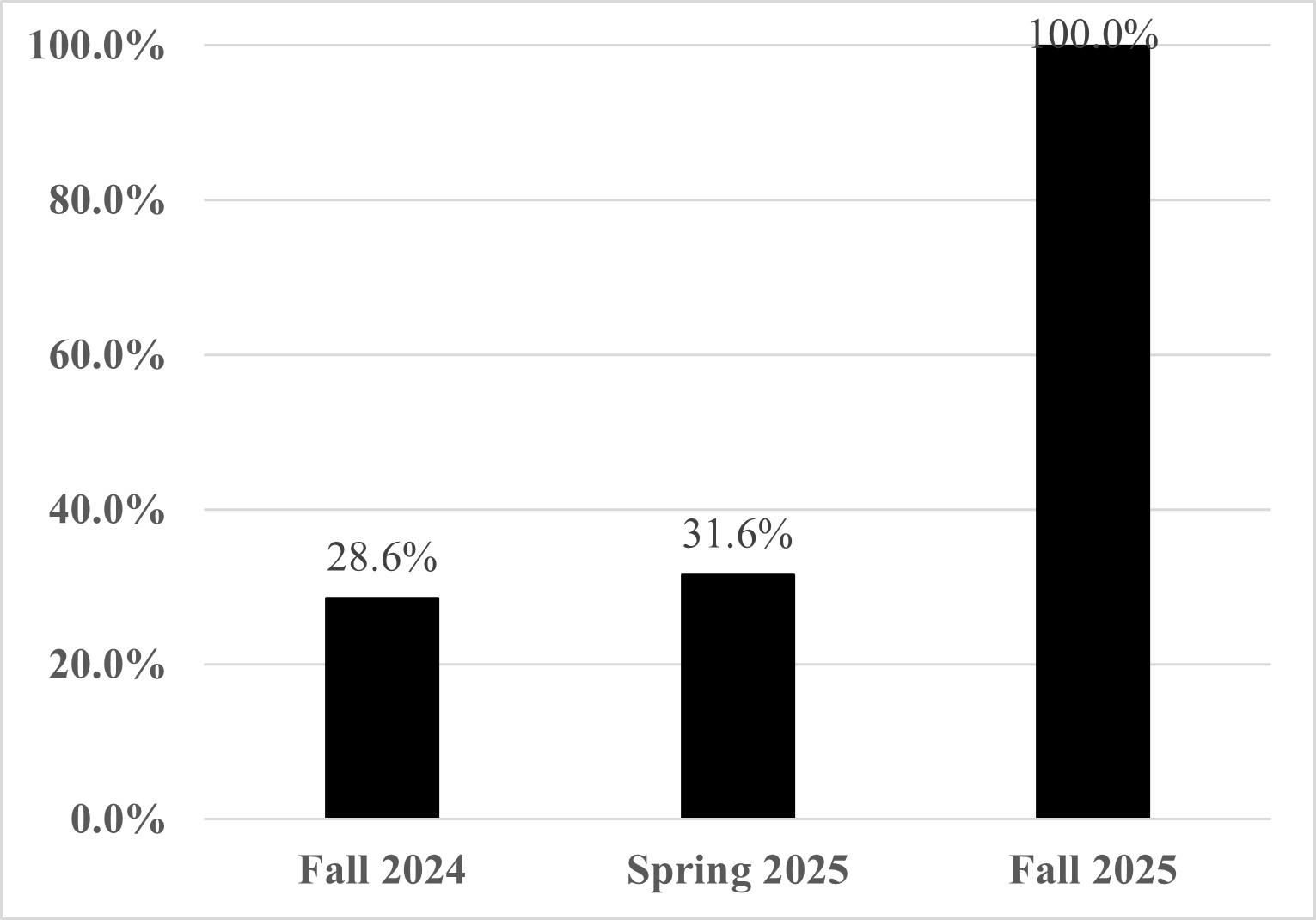
Figure 5. Percent of STB/FA Classes with Quality Control Oversight
Figure 5 shows a dramatic increase in the proportion of STB/FA classes staffed with quality control oversight personnel, rising from 28.6% in Fall 2024 to 31.6% in Spring 2025, and reaching full 100% coverage by Fall 2025. This accelerated progression reflects the intentional creation and formalization of the Public Health Officer role within the organization. The direct quality oversight conducted by Public Health Officers via detailed feedback and continuous observed teaching was correlated with strengthened operational reliability. Specifically, equipping trusted Public Health Officers with official instruction expectations set forth by the Deputy Directors led to the distribution of instruction observation responsibility.
Goal 3: Increase the percentage of club members that are trained to be STB/FA class instructors to at least 50%.
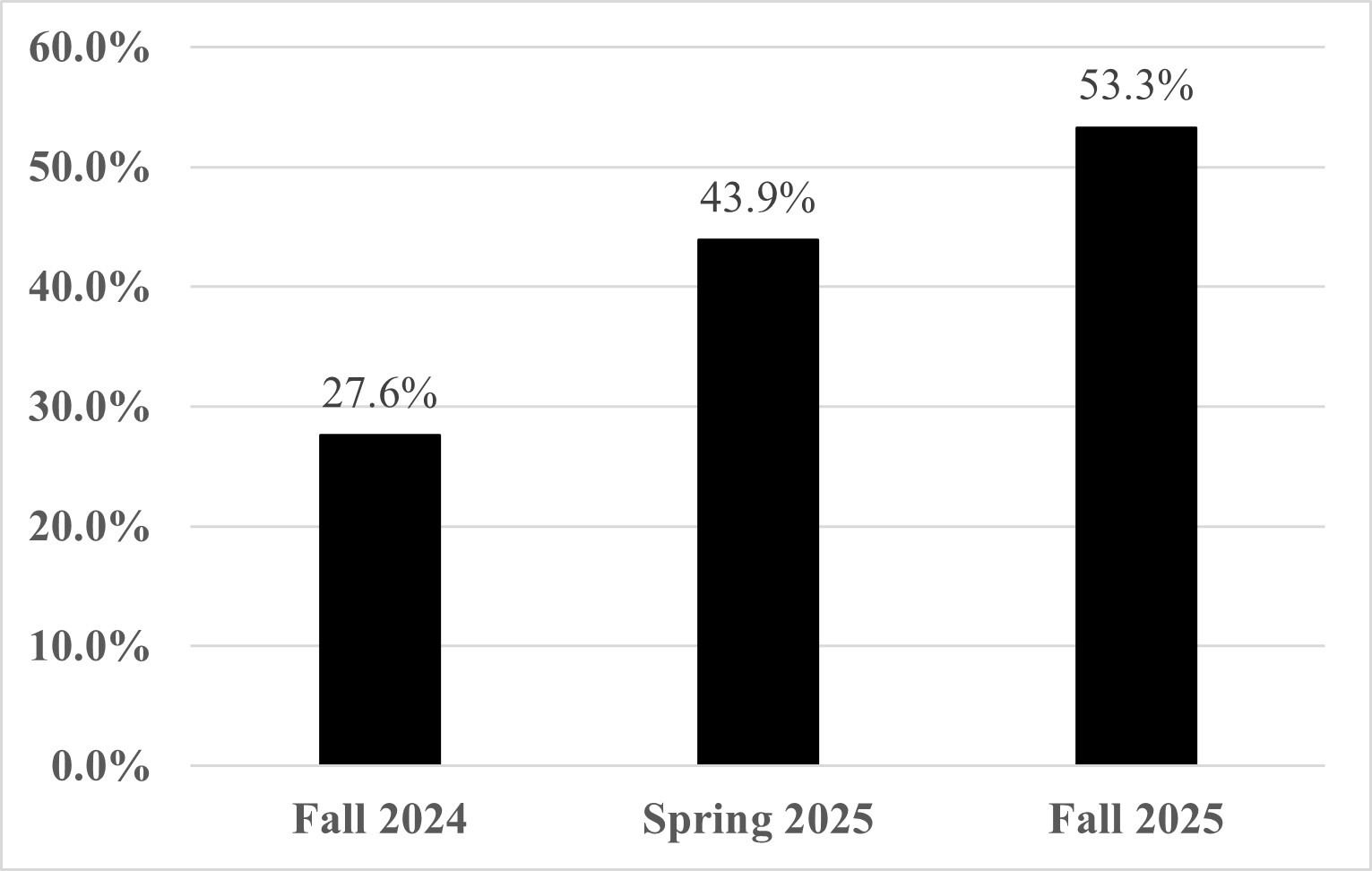
Figure 6. STB/FA Class Instructors as a Percent of Total Members
Figure 6 illustrates a consistent increase in the proportion members trained to serve as STB/FA class instructors, almost doubling from 27.6% in Fall 2024 to 53.3% in Fall 2025. This upward trend indicates that STB/FA class instruction has become an increasingly central and valued component of membership engagement. As more than half of all members are currently trained to lead STB/FA classes, the data suggests that this arm of the Public Health operations is no longer viewed as peripheral activity, but rather it is now fulfilling a core function within the student-run EMT organization. Specifically, over half of the organization is now personally involved in the mission of disseminating first responder best practices into the community in order to equip more potential bystanders with the means and confidence to respond to medical emergencies.
Goal 4: Double the percentage of STB/FA class instructors that teach two or more classes per semester from 17.5% in Fall 2024 to at least 35%.
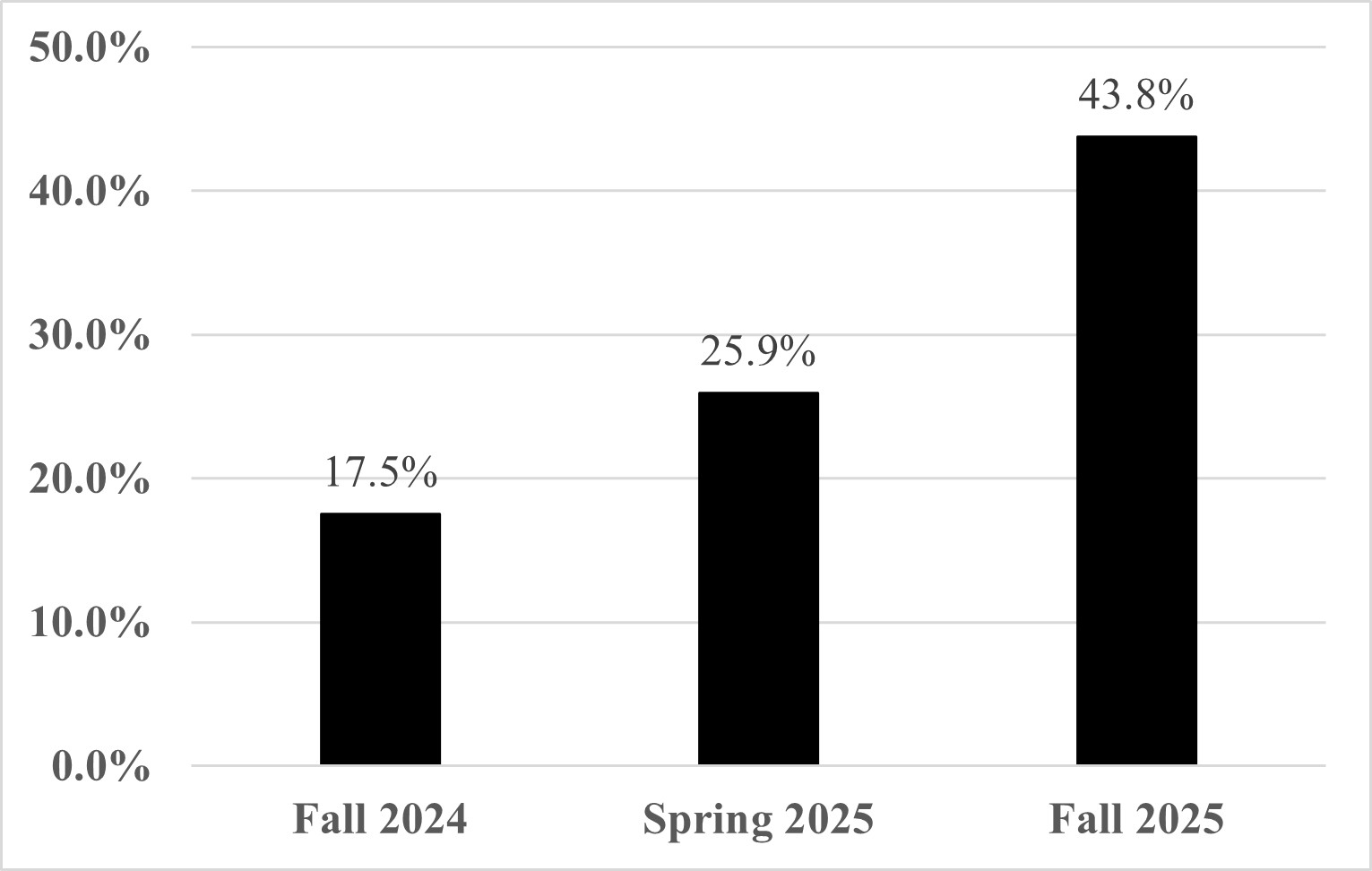
Figure 7. Percent of STB/FA Class Instructors that Taught Two or More Classes
Figure 7 shows a steady increase in the proportion of STB/FA class instructors who taught more than two classes per semester, more than doubling from 17.5% in Fall 2024 to 43.8% in Fall 2025. The robust increase in community partners and their demand for classes expanded opportunities for members to take on sustained instructional roles. Teaching multiple classes allowed instructors to refine their communication skills, build confidence in their ability to deliver life saving clinical content, and grow through peer mentoring and teamwork. The routine engagement with all of these experiences is helping members to build personal and professional competencies that are essential for future careers in medicine.
Discussion
The organizational restructuring that added a second Deputy Director of Public Health and also introduced a Public Health Officer role seems to be directly correlated to the transition of STB/FA classes from a peripheral part of student-run EMT organization, into a core function. The increased capacity for instructor training, expanded community partner relations team, full operational quality oversight coverage, and improved instructor engagement have all together produced a robust foundation for continued scalability.
One critical gap that has emerged from this organizational restructuring project is the absence of a formal client feedback system for STB/FA classes. More specifically, this study was limited in scope as it only sought to improve internal quality oversight. It was noticed that through the shared responsibility of instructor monitoring and Deputy Director facilitation of instructor standards, internal quality oversight is now robustly provided through the Deputy Directors and team of Public Health Officers. However, the program lacks a systematic way to capture the perspectives and experiences of community partners and class participants. Implementing a systematic and more standardized client feedback process would provide more consistent and comparable data on instructor effectiveness, class material relevance, and overall community partner satisfaction. This data would complement the existing internal assessments collected by the Public Health Officers and allow the Deputy Directors to better triangulate instructional quality from both internal and external perspectives.
Over time, better understanding the perspective of the existing community partners and class participants would help produce more effective strategies for reaching new community partners. Likewise, with more instructors teaching more classes to more community partners each semester, incorporating real-time client feedback into the existing peer mentoring efforts would only help to facilitate more instructor growth over time. More broadly, client-feedback-informed coaching would help strengthen clinical communication skills between members and better prepare them for careers in medicine. So, establishing a systematic client feedback process should be a high priority of the student-run EMT organization moving forward, as doing so would ensure that the significant growth of STB/FA classes is supported by a robust foundation of community partner accountability and responsiveness.
Conclusion
To better equip the community with Stop the Bleed (STB) and First Aid (FA) survival tools a student-run EMT organization, at a large public university in California, sought to expand the reach and quality of its STB/FA instruction program. This project aimed to increase the number of community STB/FA classes delivered per semester, expand instructor participation, ensure consistent internal quality oversight, and strengthen community partnerships through organizational restructuring. Between Fall 2024 and Fall 2025, the organization restructured its public health leadership by doubling the number of Deputy Directors of Public Health and introducing a new Public Health Officer role focused on logistics, quality control, mentoring, and partner outreach. Overall, the strategic organizational restructuring successfully transformed STB/FA instruction into a core function, enabling scalable growth, improved internal quality assurance, and broader community impact. The student-run EMT organization now has a robust internal foundation upon which to build a systematic client feedback process to ensure that its operational growth is grounded in community responsiveness.
We aim for our organization’s public health initiatives to serve as a scalable model for collegiate EMS groups seeking deeper community engagement. Central to this model is a vertical instructor hierarchy that promotes continuity, accountability, and skill development across all levels of involvement. While we acknowledge that our organization’s size provides certain advantages, the effectiveness of this structure does not depend on scale alone. Rather, its strength lies in the deliberate distribution of responsibility and the empowerment of highly motivated Public Health officers through robust training, resources, and defined leadership roles.
References
- Tejada-Vera B, Bastian BA, & Curtin SC. Deaths: Leading causes for 2023. Natl Vital Stat Rep. 2025 Sep;74(10):1–115. doi:10.15620/cdc/174607.
- Meaney PA, Bobrow BJ, Mancini ME, et al. Cardiopulmonary resuscitation quality: [corrected] improving cardiac resuscitation outcomes both inside and outside the hospital: a consensus statement from the American Heart Association. Circulation. 2013;128(4):417-435. doi:10.1161/CIR.0b013e31829d8654.
- Song J, Guo W, Lu X, Kang X, Song Y, & Gong D. The effect of bystander cardiopulmonary resuscitation on the survival of out-of-hospital cardiac arrests: a systematic review and meta-analysis. Scand J Trauma Resusc Emerg Med. 2018;26(1):86. Published 2018 Oct 11. doi:10.1186/s13049-018-0552-8.
- Kragholm K, Wissenberg M, Mortensen RN, et al. Bystander Efforts and 1-Year Outcomes in Out-of-Hospital Cardiac Arrest. N Engl J Med. 2017;376(18):1737-1747. doi:10.1056/NEJMoa1601891.
- Khan UR, Khudadad U, Baig N, et al. Out of hospital cardiac arrest: experience of a bystander CPR training program in Karachi, Pakistan. BMC Emerg Med. 2022;22(1):93. Published 2022 Jun 3. doi:10.1186/s12873-022-00652-2.
- Nofzinger JR, Kakish E, Bahhur NO, et al. Effectiveness of Hands-Only Cardiopulmonary Resuscitation Teaching on Lay Bystander Attitudes Toward Future Resuscitation. Spartan Med Res J. 2019;4(1):8749. Published 2019 Jul 1. doi:10.51894/001c.8749.
- Tang X, Nie Y, Wu S, DiNenna MA, & He J. Effectiveness of “Stop the Bleed” Courses: A Systematic Review and Meta-analysis. J Surg Educ. 2023;80(3):407-419. doi:10.1016/j.jsurg.2022.10.007.
- Consunji, R., Mekkodathil, A., Abdelrahman, H., El-Menyar, A., & Peralta, R. (2024). “Can ‘Stop the Bleed’ training courses for laypersons improve hemorrhage control knowledge, skills, and attitudes? A systematic review.” European Journal of Trauma and Emergency Surgery, 50, 473–484.
- Foss, N., & Klein, P. (2022). Why Managers Matter: The Perils of the Bossless Company. PublicAffairs.