


Utilizing a Scramble Crew Approach to Achieve 24-Hour Coverage
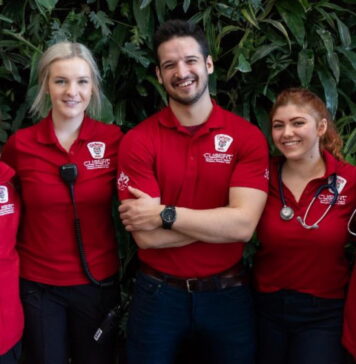
In 2016, Muhlenberg College EMS reinstituted daytime response, incorporating Active 911, a digital messaging system, and an all-call, scramble crew model. Since the new response plan began in March of 2016, Muhlenberg College EMS has responded to 47 calls that may have otherwise been ignored, at a response time shorter than that of normal duty crew responses.
Designing Safety into Ambulances
Massachusetts Institute of Technology EMS designed an innovative new ambulance, incorporating best practices and current evidence to enhance provider safety.
Piloting an Online New Member Orientation Program
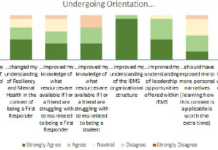
Illini EMS created and implemented an online Orientation course for new members. Using a combination of original and adapted videos followed by a quiz, this self-paced program teaches and assesses the basics of topics including bleeding control, organizational structure, team dynamics, and First Responder mental health in under an hour.

Free of Charge: Analysis of an Urban Collegiate EMS Agency
Herman et al. conducted a retrospective review of itemized billing forms from Tulane EMS. The financial costs saved by students due to the availability of Tulane EMS were estimated.
Cardiac Health and Stroke Awareness Month (CHASAM)
Massachusetts Institute of Technology (MIT) EMS designed a non-certification learning opportunity for students who have not previously sought out CPR training. MIT EMS’s creation of an annual Cardiac Health and Stroke Awareness Month (CHASAM), piloted in 2016 and repeated in 2017, substantially increased the number of trained bystanders from a diverse selection of residential communities.

Assessing the Adequacy of Behavioral Health Training for Collegiate EMTs
This study aimed to assess EMT self-reported preparedness for behavioral emergencies and to compare behavioral call experience to preparedness.
Expanding Collegiate EMS Agencies
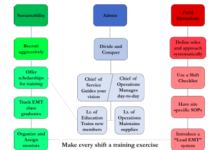
Expanding EMS agencies face many challenges pertaining to on-scene operations, administrative oversight, and sustainability. Yale EMS (YEMS) faced a $5000 budget deficit, inconsistent training of probationary members, and a high incidence of equipment deficiencies, delayed response times, and unsafe scene conditions. YEMS addressed these concerns using a three-pronged approach tackling Operations, Administration, and Sustainability challenges.
Upstream of EMS Overutilization
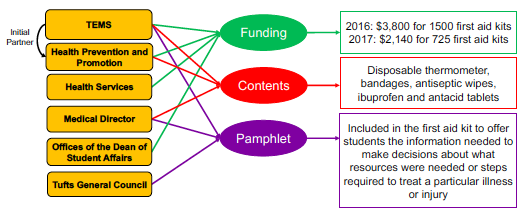
Tufts Emergency Medical Services—alongside Tufts Health Promotion and Prevention—funded, created, and distributed first aid kits and informational content to all first-year students.
Feasibility of Asynchronous Learning in Collegiate EMS
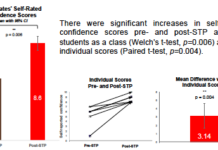
Brown University EMS implemented a novel BLS Supervisor Training Program. Using asynchronous learning, Brown sought to optimize training time by promoting self-learning off-shift and outside of traditional didactic models using small-group, problem-based learning and online modules.
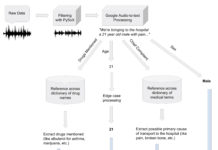
SIREN: Schema In-Fill Rendered from Entry Notifications
Massachusetts Institute of Technology EMS created an end-to-end tool that converts audio files of hospital entry notes into text-based entries in a user-friendly database.