Factors Associated with Requests for Non-Collegiate EMS Resources by Collegiate EMTs
Download PDF
Rink AR. Factors Associated with Requests for Non-Collegiate EMS...

Assessing Characteristics and Best Practices In Responding to Psychiatric EMS Calls in a College...
Download PDF
Author and Article Information
Abstract
Background: Collegiate emergency medical technicians...

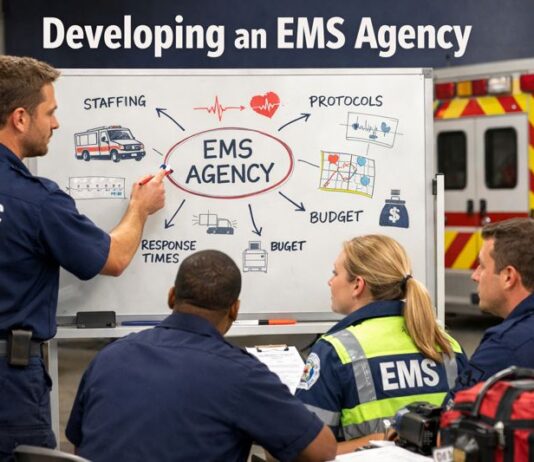
Challenges, Strategies, and Lessons from Implementing Washington State’s First Collegiate EMS Agency
University of Washington's experience implementing the state's first collegiate EMS agency.

Implementing a Collegiate Naloxone and Bleeding Control Kit Program
Download PDF
Author and Article Information
Wake Forest Emergency Medical Services (WFEMS) recently partnered with school...

Training Student EMTs to Support Mobile Community Support Program
Download PDF
Author and Article Information
Photo Caption: The University of California at Davis Fire...
Innovation in Collegiate Emergency Medical Services
The authors review potential uses of current and future innovations in EMS and discuss our Call for Papers for an upcoming special JCEMS edition.

Presumptive Diagnosis of Alcohol Intoxication as the Etiology of Altered Mental Status in Collegiate...
Altered mental status is a common emergency call at universities, and for collegiate-based EMS providers this chief complaint is frequently found secondary to alcohol intoxication. The results of this research demonstrate evidence that EMTs may presumptively attribute alcohol intoxication as the etiology of AMS, as evidenced by the underutilization of key AMS assessments.
2024 Conference Academic Poster Session Posters
Posters from the Academic Poster Session at the 2024 Annual National Collegiate Emergency Medical Services Foundation Conference
Standing Up and Staffing a Covid Vaccine Clinic on a Collegiate Campus
The University of California – Davis Fire Department discusses their experience setting an administering an on-campus COVID-19 vaccine clinic.
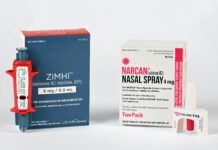
Opioid and Alcohol Co-Ingestion
Although college campuses have historically been regarded as a protective influence against the development of substance use disorders, substance use and misuse have risen to become one of the most widespread public health concerns facing U.S. college campuses in the past decade. This article discusses pertinent pharmacology, clinical presentations, and treatment guidelines for co-ingestion of alcohol and opioids.