Download PDF (Available Soon)
Inside Volume 6, Issue 1
Continue to the category
Presumptive Diagnosis of Alcohol Intoxication as the Etiology of Altered Mental Status in Collegiate...
Altered mental status is a common emergency call at universities, and for collegiate-based EMS providers this chief complaint is frequently found secondary to alcohol intoxication. The results of this research demonstrate evidence that EMTs may presumptively attribute alcohol intoxication as the etiology of AMS, as evidenced by the underutilization of key AMS assessments.
Standing Up and Staffing a Covid Vaccine Clinic on a Collegiate Campus
The University of California – Davis Fire Department discusses their experience setting an administering an on-campus COVID-19 vaccine clinic.
Opioid and Alcohol Co-Ingestion
Although college campuses have historically been regarded as a protective influence against the development of substance use disorders, substance use and misuse have risen to become one of the most widespread public health concerns facing U.S. college campuses in the past decade. This article discusses pertinent pharmacology, clinical presentations, and treatment guidelines for co-ingestion of alcohol and opioids.
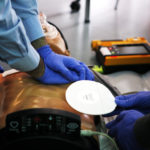
Improvements in the Self-Efficacy of CPR Performance Following a Brief Hands-only Training Program for...
Bystander CPR has been shown to significantly improve survival from out-of-hospital cardiac arrest (OHCA), yet rates of bystander CPR remain low across the United States. This paper outlines a brief HOCPR training that was successfully implemented by a collegiate-based EMS agency.