
Establishing a Collegiate Emergency Medical Service
Ferdowsian et al. share their experience establishing a new EMS team at the Claremont Colleges.

Predicting Patient Volumes at Collegiate Football Games
Renko et al. create a model to predict patient volumes at collegiate football games to help aid EMS in planning.

Assessment of Bystander Intervention on EMS Transport Decisions for Cases of Alcohol Intoxication at...
Looking at a small liberal arts college in New York State, Di Nucci et al. study the impact of bystander intervention on EMS transport decisions for alcohol intoxication cases.
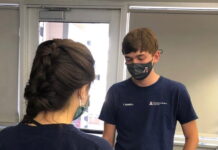
Maintaining Collegiate EMS Readiness During COVID Campus Closures
Alatis and Nable discuss the impact of COVID-19 on campus EMS organizations and how teams can maintain operational readiness throughout the pandemic.
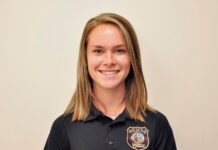
How the Blue Hens are Responding to COVID-19
Amid a global pandemic, JCEMS talks with he University of Delaware’s EMS Squad Director of Public Relations about shifts, PPE, recruitment, and more.
Assessing the Adequacy of Behavioral Health Training for Collegiate EMTs
This study aimed to assess EMT self-reported preparedness for behavioral emergencies and to compare behavioral call experience to preparedness.
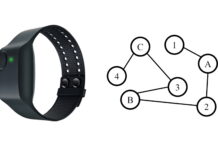
Heart Rate and Heart Rate Variability as Indicators of Stress in Emergency Medicine Residents...
The authors measured stress-induced heart rate and heart rate variability of emergency medicine residents during a pulseless electrical activity cardiac arrest scenario.
A Survey of Canadian, Student-Run Campus Emergency Medical Response Teams
Formosa et al. provide an overview of Canadian student-run campus emergency medical response teams, examining aspects including training, operations, and organizational status.
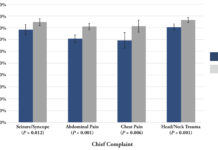
Checklists Improve EMS Documentation
Alatis et al. found that a quality improvement (QI) project focused on documentation via checklists can improve the inclusion of key documentation criteria on electronic patient care reports (ePCRs) in a collegiate-based EMS system.
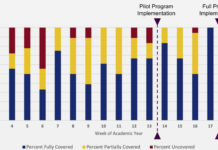
Development of an Excel-Based Software Solution to Collegiate EMS Shift Scheduling & Placement
The University of Pennsylvania Medical Emergency Response Team created a Microsoft Excel-based software system to schedule providers for shift coverage.