
Investigating the Role of Public Assistance Programs in Responding to Cardiovascular Emergencies in Rural...
Download PDF
Author and Article Information
Abstract
Background: While public assistance (PA)...
Pass The Torch to Decrease Healthcare Burnout
How can you reignite your passion for healthcare when you feel it burning out? The author explores this idea in this Perspectives & Opinions piece.

Compassion Meditation to Improve Psychological Well-being Among Volunteer Collegiate Emergency Medical Technicians
Student volunteer EMS providers are often under significant mental and physical stress which may lead to provider burnout and decreased compassion malleability. The authors demonstrate the efficacy of Cognitively-Based Compassion Training on addressing these conditions.
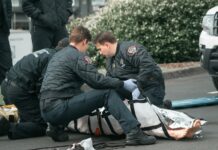
Presumptive Diagnosis of Alcohol Intoxication as the Etiology of Altered Mental Status in Collegiate...
Altered mental status is a common emergency call at universities, and for collegiate-based EMS providers this chief complaint is frequently found secondary to alcohol intoxication. The results of this research demonstrate evidence that EMTs may presumptively attribute alcohol intoxication as the etiology of AMS, as evidenced by the underutilization of key AMS assessments.
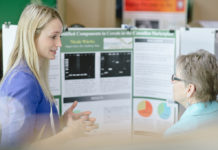
2024 Conference Academic Poster Session Posters
Posters from the Academic Poster Session at the 2024 Annual National Collegiate Emergency Medical Services Foundation Conference
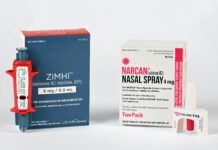
Opioid and Alcohol Co-Ingestion
Although college campuses have historically been regarded as a protective influence against the development of substance use disorders, substance use and misuse have risen to become one of the most widespread public health concerns facing U.S. college campuses in the past decade. This article discusses pertinent pharmacology, clinical presentations, and treatment guidelines for co-ingestion of alcohol and opioids.
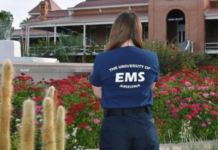
Comparing Patient Evaluations by a Municipal and a Collegiate-Based Emergency Medical Service
This study assesses UAEMS’ patient evaluations when referenced to Tucson Fire, the local municipal agency.
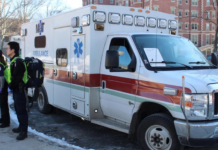
Labor Trafficking and the Role of the EMS Professional
While EMS professionals have not received any training in human trafficking, they are in a unique position to identify trafficked persons, gaining a view of the patient’s out-of-hospital environment not visible to most other healthcare providers.
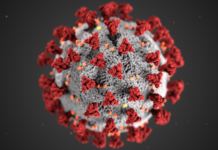
COVID-19 Sequelae in a Nineteen-year-old Male
The authors examine the case of a previously healthy 19-year-old university student and e-cigarette user who was diagnosed with COVID-19.
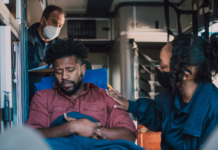
Towards Anti-Racist Prehospital Healthcare
This article outlines the steps which Dartmouth EMS has taken to educate our members on socially just and racially inclusive emergency medicine.